The way people look for schools and education providers has changed a lot over the years. Parents and students now rely heavily on online research before making decisions, from searching for schools nearby to comparing programs, checking reviews, and browsing social media pages.
Because of this shift, digital marketing for schools and education providers has become more important than ever. Schools are no longer expected to simply have a website. They need strong online visibility, accessible information, and digital platforms that help students and families stay informed and connected.
For educational institutions, a strong digital presence helps build trust, improve communication, and create a better experience for students, parents, and the wider community.
The Digital Shift in Education
Technology has completely changed how schools communicate with students and parents. Years ago, most updates came through printed brochures, newsletters, or face-to-face meetings. Today, people expect information to be available online and easy to access at any time.
Parents want quick access to enrolment details, academic programs, calendars, and important announcements. Students expect websites and digital platforms to work smoothly across phones, tablets, and computers.
As a result, schools and education providers are putting greater focus on improving their online presence and communication channels.
Why a School’s Website Matters
A website is often the first impression people have of a school or educational institution.
Before making an enquiry, many parents and students will visit a school’s website to learn more about its programs, learning environment, extracurricular activities, and values. If the website feels outdated, slow, or difficult to navigate, it can affect how people view the institution.
A well-structured website should make information easy to find while creating a professional and trustworthy experience for visitors.
Important elements of a school website often include:
- Mobile-friendly design
- Fast loading speed
- Clear navigation
- Course or curriculum information
- Event updates
- Contact forms
- Student and parent resources
- Faculty or staff information
Schools also need websites that are designed to support engagement and enquiries, not just appearance. Many organisations experience website traffic without receiving actual enquiries, which is why website structure and user experience matter so much. Learn more in Why Your Website Gets Traffic But No Enquiries.
Search Engines Play a Major Role
Search engines are now one of the main ways people discover schools and education providers online.
Parents and students regularly search for terms such as:
- “Private schools near me”
- “Online education programs”
- “Colleges in Melbourne”
- “Vocational training courses”
- “Flexible learning programs”
This is where SEO, or search engine optimisation, becomes important.
SEO helps schools improve their visibility in search engine results, making it easier for prospective students and families to discover their institution online.
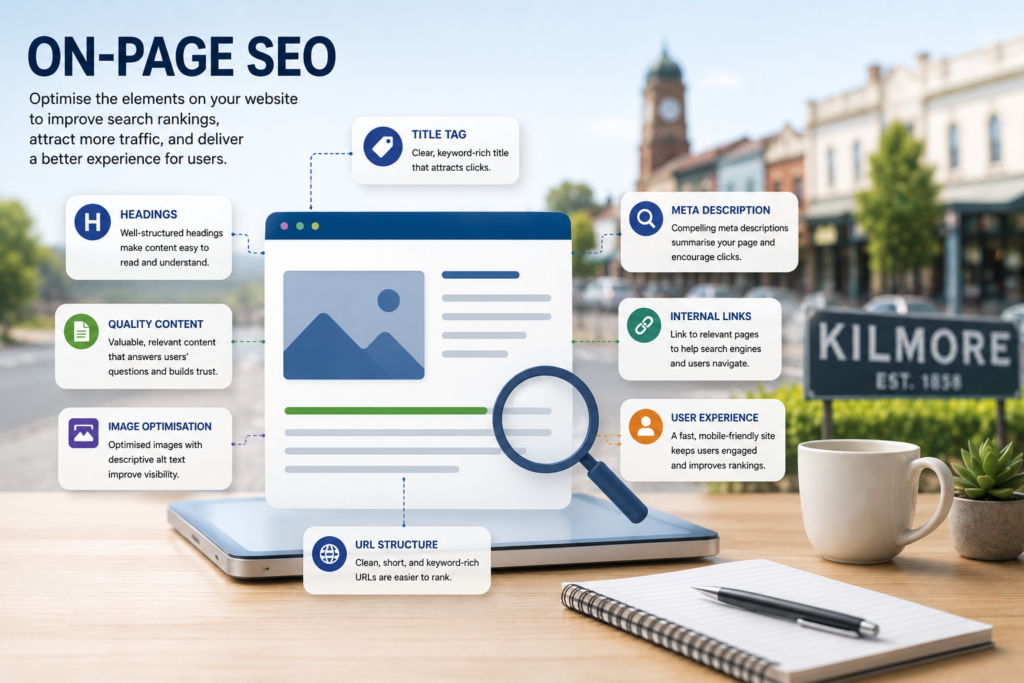
Some important SEO factors for schools include:
- Optimised website content
- Mobile responsiveness
- Local SEO
- Fast website performance
- Clear page structure
- Educational blog content
Schools that invest in SEO are more likely to improve their online reach and visibility over time. If you want to better understand how rankings work, read How Search Engines Find and Rank Your Website.
Content Helps Schools Stay Connected
Schools naturally create a large amount of valuable content throughout the year.
Student achievements, school events, classroom activities, educational resources, and community projects all provide opportunities to share updates and engage with families online.
Content marketing allows schools to:
- Keep parents informed
- Share important updates
- Highlight achievements
- Build trust and credibility
- Improve online visibility
- Strengthen community engagement
Examples of educational content include:
- Blog articles
- School newsletters
- Student success stories
- Event announcements
- Educational guides
- Videos and photo updates
Consistent and informative content also helps schools maintain a more active and engaging online presence.
Social Media Has Changed School Communication
Social media is now an important communication tool for schools and education providers.
Platforms such as Facebook, Instagram, LinkedIn, and YouTube allow schools to quickly share updates, showcase school culture, and communicate with students and parents in a more engaging way.
Schools commonly use social media to post:
- School announcements
- Student achievements
- Event highlights
- Educational content
- Campus activities
- Community initiatives
For parents, active social media pages help create transparency and trust. For students, social media helps build a stronger sense of connection and community.
Digital Marketing Supports Student Enrolments
Student recruitment has become increasingly digital.
Before attending an open day or contacting a school, many students and parents spend time researching online. They compare schools, read reviews, browse websites, and explore social media pages before making decisions.
Because of this, digital marketing now plays a major role in enrolment strategies.
Schools and education providers often use digital platforms for:
- Open day promotions
- Enrolment campaigns
- Course information
- Scholarship announcements
- Virtual tours
- Online learning promotions
Digital marketing also allows schools to better understand how people interact with their website and online content.
Website Performance Still Matters
Even with strong content and marketing, website performance remains extremely important.
Slow websites, broken pages, outdated information, or poor mobile experiences can frustrate users and reduce engagement. Schools need websites that are reliable, secure, and regularly maintained.
Regular website maintenance helps educational institutions:
- Improve security
- Keep information updated
- Maintain website speed
- Prevent technical issues
- Improve user experience
Learn more about the importance of ongoing updates in Why Regular Website Maintenance Is Important.
The Rise of Online Learning
Online learning has also changed how educational institutions operate.
Many schools and education providers now offer:
- Virtual classrooms
- Online learning portals
- Recorded lessons
- Downloadable resources
- Remote communication tools
- Blended learning systems
As digital learning continues growing, schools need online systems that are accessible, reliable, and easy to use for both students and educators.
The growth of online education has also increased expectations around digital accessibility and website performance.
Challenges Schools Face Online
While digital platforms create many opportunities, schools also face ongoing challenges when managing their online presence.
Some common challenges include:
- Keeping websites updated
- Managing multiple communication channels
- Maintaining cybersecurity
- Protecting student data
- Creating consistent branding
- Adapting to changing technology
- Meeting accessibility standards
Educational institutions need digital systems that are secure, easy to manage, and capable of supporting both communication and learning experiences.
Branding and Trust in Education
Trust plays a major role in the education industry.
Parents and students want to feel confident in the schools and institutions they choose. A school’s website, branding, and online communication all contribute to that trust.
Consistent branding across websites, newsletters, social media, and marketing materials helps schools create a more professional and recognisable identity.
A strong digital presence can help educational institutions communicate credibility, reliability, and professionalism more effectively.
The Future of Digital Marketing in Education
Digital marketing in education will continue evolving alongside technology and changing student expectations.
Schools are already adapting to trends such as:
- Mobile-first websites
- Online enrolment systems
- Video-based content
- Virtual tours
- AI-powered communication tools
- Personalised digital experiences
Students and parents now expect fast, accessible, and user-friendly digital experiences. Educational institutions that continue improving their online presence will be better positioned to meet those expectations moving forward.
Common Questions About Digital Marketing for Schools & Education Providers
Why is digital marketing important for schools?
Digital marketing has become increasingly important for schools because most parents and students now begin their research online. Before making an enquiry or attending an open day, many families will search for schools on Google, browse websites, read reviews, and check social media pages to learn more about the institution.
Having a strong digital presence helps schools provide accessible information, improve communication, and create a more professional first impression. Digital marketing also supports student engagement, enrolment campaigns, event promotion, and community connection. As education continues becoming more digital, schools that maintain active and informative online platforms are often better positioned to connect with prospective students and families.
What does digital marketing for schools include?
Digital marketing for schools and education providers includes a range of online strategies that help improve visibility, communication, and engagement. This can include website design, search engine optimisation (SEO), social media management, content marketing, online advertising, and email communication.
For example, a school may use SEO to improve its Google rankings, social media to share student achievements and events, and content marketing to provide useful information for parents and students. Some schools also use digital campaigns to promote enrolments, virtual tours, scholarship programs, or online learning opportunities.
Together, these digital strategies help educational institutions create stronger online experiences and improve how they communicate with their communities.
How can SEO help a school website?
SEO, or search engine optimisation, helps improve how easily a school website can be found in search engines like Google. When parents or students search for schools, educational programs, or learning opportunities online, SEO helps increase the chances of the website appearing in relevant search results.
A properly optimised school website can improve visibility, increase website traffic, and help users access important information more quickly. SEO also supports better website structure, mobile responsiveness, page speed, and content quality, all of which contribute to a better user experience.
For schools and education providers, strong SEO can help attract more prospective families while also improving overall online presence and credibility.
Why do schools need a mobile-friendly website?
Many parents and students now browse websites using mobile phones or tablets instead of desktop computers. Because of this, schools need websites that are mobile-friendly and easy to use across all devices.
A mobile-responsive website helps users quickly access information such as enrolment details, event updates, contact forms, and school resources without frustration. It also improves readability, navigation, and overall accessibility.
In addition to improving user experience, mobile-friendly websites are also important for SEO. Search engines like Google prioritise websites that perform well on mobile devices, which means responsive design can also help improve search visibility.
How does social media help educational institutions?
Social media gives schools and education providers a direct way to communicate with students, parents, and the wider community. Platforms such as Facebook, Instagram, LinkedIn, and YouTube allow schools to share updates quickly while showcasing school culture, achievements, and everyday activities.
Schools often use social media to post announcements, event highlights, educational content, student success stories, and important reminders. This helps keep families informed while also creating stronger engagement within the school community.
An active and professional social media presence can also help schools build trust and transparency. For prospective families, social media often provides a more personal look into the school environment and student experience.
What should a good school website include?
A good school website should provide clear, accessible, and easy-to-find information for parents, students, and staff. It should create a positive user experience while helping visitors quickly access the information they need.
Important features often include curriculum or course information, enrolment details, contact information, event calendars, school updates, student resources, and online enquiry forms. Mobile responsiveness, fast loading speed, and clear navigation are also essential for improving usability across all devices.
In addition to functionality, a school website should reflect the institution’s values, culture, and professionalism. A well-designed website can help build trust, improve communication, and support stronger engagement with current and prospective families.
The Importance of Digital Presence
Digital marketing for schools and education providers continues to play a growing role in communication, visibility, and student engagement. As more families rely on online research and digital platforms, educational institutions need websites and online systems that are informative, accessible, and easy to use.
From SEO and website performance to social media and online learning support, digital platforms now influence how schools connect with students, parents, and communities.
Schools and education providers that continue improving their online presence will be better positioned to support students, strengthen communication, and stay connected in an increasingly digital world.
If your school or education provider is looking to improve its online presence, increase visibility, or create a better digital experience for students and families, feel free to get in touch with our team.