In Australia, digital marketing for service businesses plays a major role in generating enquiries. When customers search for a service, they often include a suburb, city, or “near me” in their search.
This is where location pages for service businesses become an important part of your local SEO strategy. Instead of relying on a single service page, creating dedicated pages for the areas you serve helps search engines better understand where your business operates.
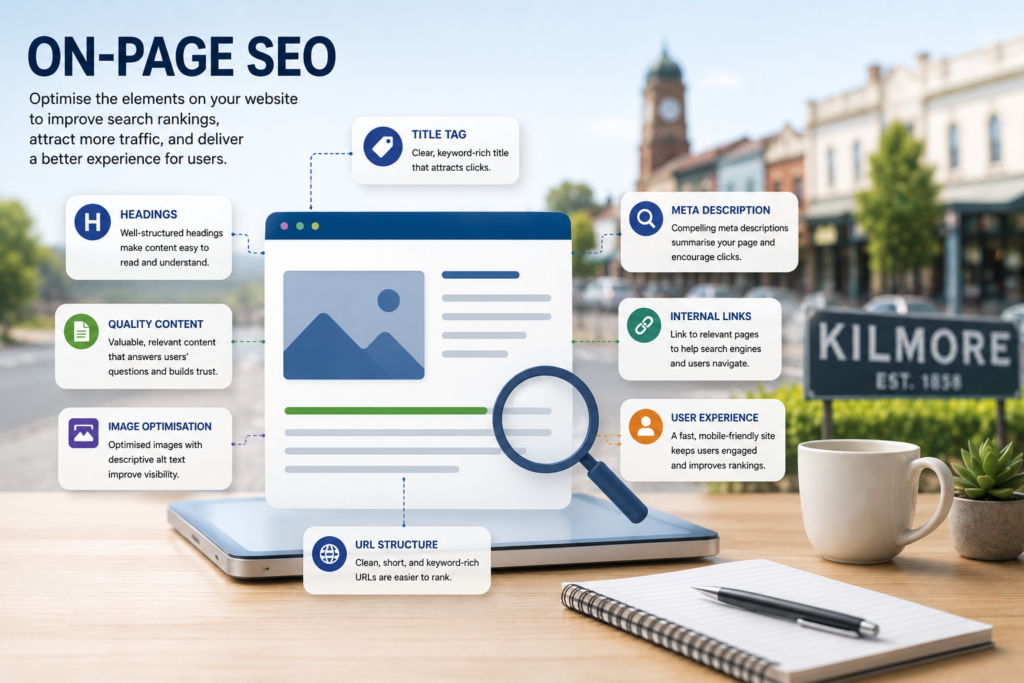
To support this, it also helps to understand how search engines find and rank websites.
When done correctly, location pages can improve rankings, increase visibility, and drive more enquiries from the right audience.
Understanding How Australians Search for Local Services
Most service-based searches in Australia are highly local and intent-driven.
Customers often search using:
– “electrician in Epping”
– “cleaner near me”
– “plumber Melbourne”
These searches usually come from users who are ready to take action.
If your website is not clearly aligned with these search patterns, you may miss out on potential enquiries even if your services are relevant.
Why Location Pages for Service Businesses Strengthen Your SEO
Location pages for service businesses provide clear signals to search engines about where your business operates.
Instead of relying on a single general page, having dedicated pages for each service area allows your website to:
– Match location-based searches more accurately
– Improve your chances of appearing in local results
– Support your overall SEO performance
When these pages are structured and optimised correctly, they can significantly improve how your business appears in search results.
Turning Local Searches Into Real Opportunities
Appearing in search results is only part of the process.
Location pages help bridge the gap between visibility and action by making your services more relevant to users in specific areas.
When a customer sees that you clearly service their suburb or city, they are more likely to trust your business and take the next step.
This is especially important for service-based businesses where decisions are often made quickly.
Building Local Trust Through Relevant Content
Customers want to feel confident that you operate in their area.
Location pages help reinforce this by:
– Highlighting your service areas
– Providing locally relevant information
– Showing that you understand the needs of that location
Even small details can make your business feel more accessible and trustworthy.
Avoiding Common Issues That Limit Local Visibility
Not all location pages deliver results.
Some of the common issues include:
– Repeating the same content across multiple pages
– Creating pages without clear purpose
– Targeting locations without actual service coverage
These issues can reduce the effectiveness of your website and may even be early indicators of website issues that quietly affect performance.
Structuring Your Website to Support Local Growth
Location pages work best when they are part of a clear and organised website structure.
A well-structured website helps both users and search engines understand your content. Learning how to structure a homepage that converts can also improve how your pages perform overall.
When your services and locations are clearly organised, it becomes easier for users to find what they need and for your website to perform effectively.
For service-based businesses, this often means structuring your website with dedicated pages for each service and suburb, rather than relying on a single general page.
A typical structure might look like this:
- /plumbing-services/epping
- /plumbing-services/craigieburn
- /electrical-services/epping
- /air-conditioning-services/south-morang
You can also take this a step further by creating more specific service pages within each location, such as:
- Epping plumbing services
- Epping emergency plumber
- Craigieburn electrical services
- South Morang air conditioning installation
This type of structure reflects how service-based websites are commonly organised, making it easier for search engines to understand your service areas and for customers to find the exact service they need.
How We Help Service-Based Businesses Improve Local SEO
Improving local SEO requires more than just adding location pages. It involves understanding how your website, content, and strategy work together.
As a digital marketing agency working with service-based businesses across Australia, we help:
– Identify the right locations to target based on demand
– Build structured and optimised location pages
– Improve how websites perform in search
– Strengthen enquiry generation through better SEO strategies
Many businesses already have the right foundation. The opportunity comes from refining how everything works together.
If you’d like to see how these strategies work in practice, you can explore our work.
Helpful Questions for Service-Based Businesses
Do location pages really improve local SEO?
Yes, when implemented correctly, location pages can significantly improve your local SEO performance. They help search engines clearly understand where your business operates, making it easier for your website to appear in location-based searches such as suburb or “near me” queries.
For service-based businesses in Australia, this is especially important because most customers search with location intent. Without dedicated pages, your website may struggle to appear in relevant searches even if your services match what people are looking for.
Over time, well-structured location pages can lead to better visibility, more qualified traffic, and more consistent enquiries from the areas you want to target.
How many location pages should I create?
There is no fixed number of location pages you should create. The focus should always be on quality rather than quantity.
It’s best to start with locations where you actively provide services or where there is clear demand. Creating too many pages without meaningful content can reduce the overall quality of your website and make it harder to manage.
As your business grows, you can gradually expand your location pages in a structured way. This ensures each page remains useful, relevant, and aligned with your overall SEO strategy.
What makes a good location page?
A good location page clearly explains the services you offer in a specific area while making it easy for users to take the next step.
This typically includes clear service descriptions, the locations you cover, and simple contact options such as enquiry forms or phone numbers. It should also include content that feels relevant to the area rather than generic or reused across multiple pages.
The goal is to create a page that is both helpful for users and easy for search engines to understand, which improves both trust and visibility.
Strong location pages for service businesses are both user-friendly and aligned with how search engines evaluate relevance.
Can I use the same content for multiple locations?
It is not recommended to use the same content across multiple location pages. While it may seem efficient, it can make your website appear repetitive and reduce its overall effectiveness in search results.
Search engines prioritise content that feels unique and relevant. If multiple pages contain the same wording with only minor changes, they may not perform well.
Instead, each location page should be adapted to reflect the specific area, even if the core service remains the same. This helps improve relevance, build trust with users, and support better long-term SEO results.
How long does it take to see results from local SEO?
Local SEO is a long-term strategy, but early improvements can sometimes be seen within a few weeks, especially if your website already has a solid foundation.
However, in more competitive locations or industries, it may take a few months to see consistent results. Factors such as competition, website quality, and content all play a role in how quickly your rankings improve.
The key is consistency. Ongoing optimisation, clear structure, and regular updates help build momentum and lead to stronger results over time.
Do I need both location pages and a Google Business Profile?
Yes, both are important and work best when used together.
Location pages strengthen your website’s ability to rank in organic search results, while your Google Business Profile helps your business appear in local listings and map results.
When combined, they create a more complete local presence. This makes it easier for potential customers to find your business, trust your services, and take action.
Improving Your Local Presence
For service-based businesses in Australia, local SEO plays a key role in generating enquiries.
Location pages for service businesses help connect your services with the areas you serve and make it easier for customers to find and contact your business.
When your website, structure, and strategy are aligned, you create a more consistent flow of enquiries.
If you are looking to improve how your business performs online, working with a digital marketing agency can help you identify the right opportunities and implement strategies that drive real results.
Get in touch with our team to learn how your website can attract more local customers and generate more enquiries.