Many businesses invest in a professional website but still struggle to attract consistent enquiries. While having a website is an important first step, it won’t deliver results if potential customers can’t find it or if the content doesn’t encourage them to take action. This is where on-page SEO becomes essential.
For businesses looking to grow online, implementing effective on-page SEO in Kilmore can improve search visibility, enhance user experience, and increase the likelihood of turning website visitors into enquiries. Unlike paid advertising, on-page SEO focuses on making your website more relevant and valuable to both search engines and users, helping you achieve sustainable, long-term results.
As part of a broader digital marketing in Kilmore strategy, on-page SEO ensures every page on your website is optimised to target the right audience, answer their questions, and guide them towards contacting your business. When combined with quality content and a well-structured website, these improvements can have a significant impact on your online performance.
In this guide, we’ll explore practical on-page SEO strategies that help businesses improve rankings, attract qualified visitors, and generate more enquiries.
What Is On-Page SEO and Why Does It Matter?
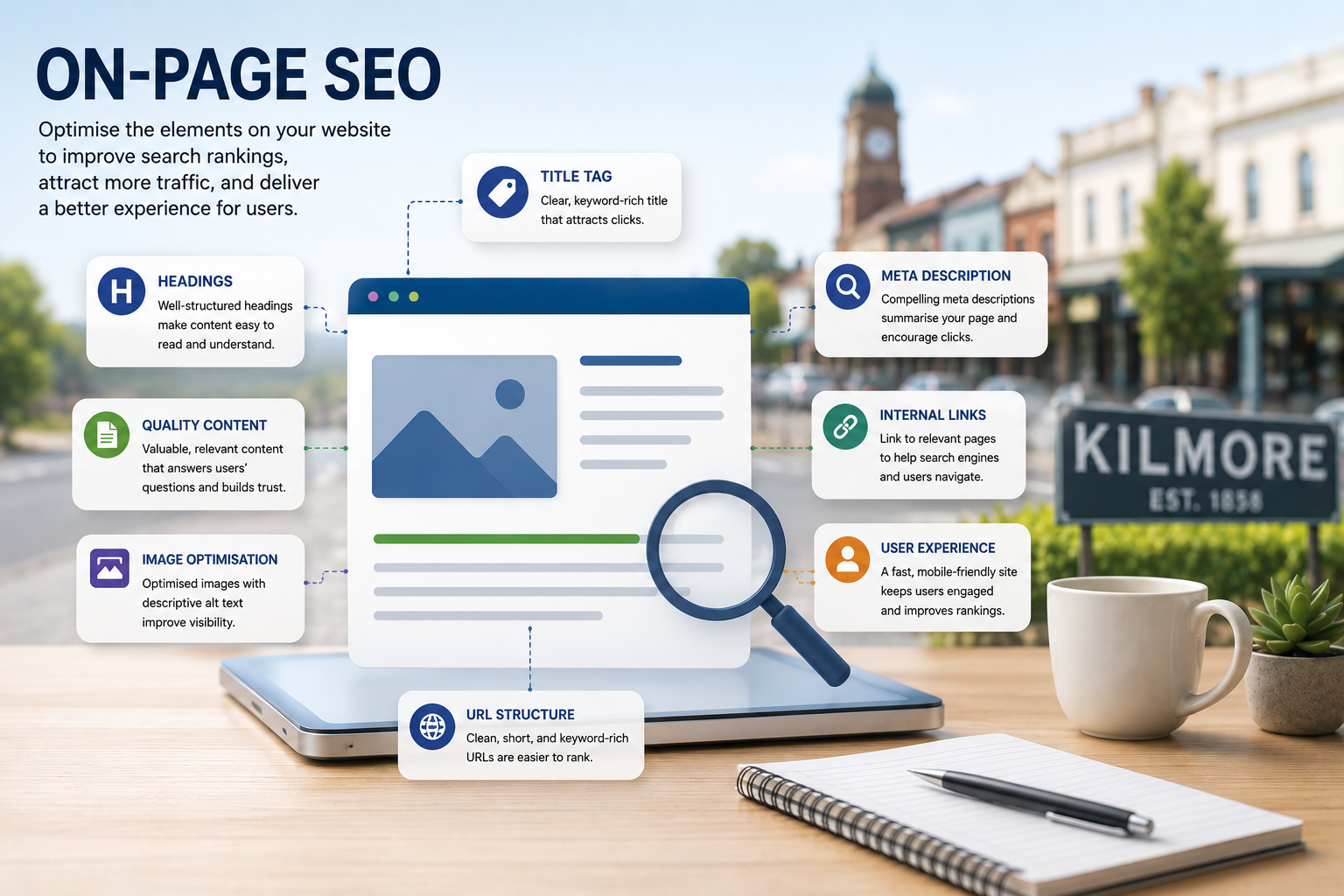
On-page SEO refers to the process of optimising the elements on your website to improve its visibility in search engine results. This includes your content, headings, page titles, meta descriptions, images, internal links, and overall page structure. According to Ahrefs, on-page SEO focuses on optimising the content and HTML source code of individual web pages to improve search visibility and provide a better user experience.
Unlike off-page SEO, which focuses on backlinks and external signals, on-page SEO gives you direct control over how your website communicates with both search engines and potential customers.
Google aims to deliver the most relevant and useful content for every search. If your pages clearly explain your services, answer common customer questions, and provide a positive browsing experience, they’re more likely to rank well.
For businesses in Kilmore, this means creating pages that not only target relevant keywords but also provide genuine value to local customers searching for products or services.
While on-page optimisation is an important part of SEO, it delivers the best results when combined with a long-term strategy that includes technical improvements, quality content, and ongoing optimisation to support sustainable organic growth.
Optimise Your Website Content for Search Intent
One of the biggest mistakes businesses make is creating content based on what they want to say rather than what potential customers are actually searching for.
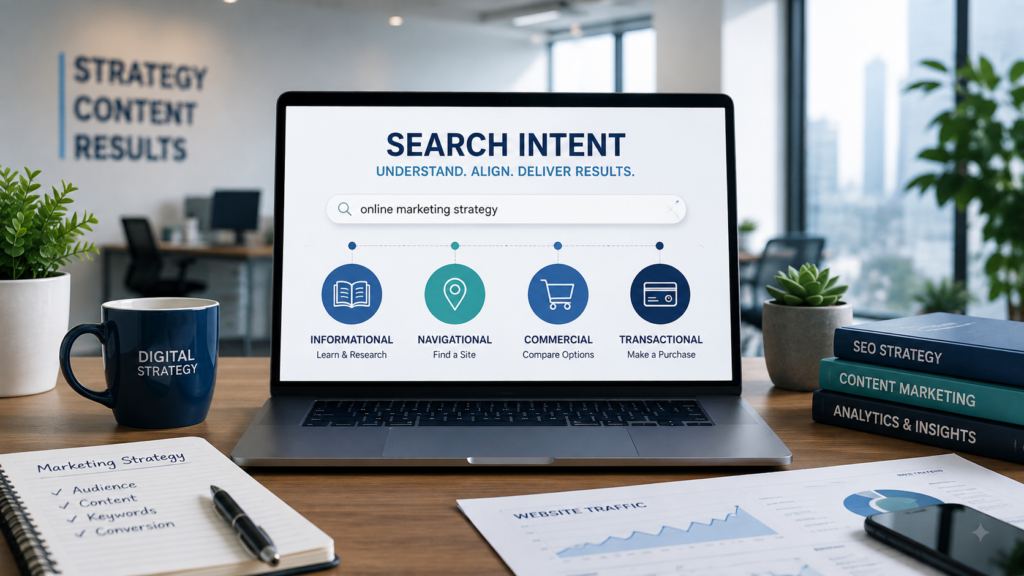
Every online search has a purpose behind it. Someone may be looking for information, comparing different providers, or ready to contact a business. Understanding this search intent allows you to create content that aligns with customer expectations and provides the answers they’re looking for.
For example, someone searching for “website designer Kilmore” is likely looking for a local provider rather than a general explanation of website design. Your content should directly address that need while clearly explaining how your business can help.
To optimise your website content:
- Answer common customer questions.
- Use clear, descriptive headings.
- Include relevant keywords naturally.
- Write in plain English.
- Focus on solving customer problems.
Creating helpful, informative content not only improves the user experience but also supports your search engine ranking. Search engines prioritise websites that provide relevant, valuable information, making high-quality content an essential part of any successful on-page SEO strategy.
Improve Title Tags, Meta Descriptions, and Heading Structure
Your page title and meta description are often the first things potential customers see in Google search results. They play an important role in encouraging users to click through to your website.
An effective page title should clearly describe the content while naturally including your primary keyword. For example, On-Page SEO Solutions to Drive More Enquiries in Kilmore is much more descriptive and relevant than a generic title such as SEO Services.
Similarly, your meta description should summarise the page’s value, include relevant keywords where appropriate, and encourage users to learn more.
Within the page itself, use a logical heading structure to organise your content. Your H1 should clearly define the main topic, while H2 and H3 headings break the content into clear, easy-to-read sections. A well-organised page structure helps visitors quickly find the information they need while making it easier for search engines to understand your content.
Avoid using multiple H1 headings or skipping heading levels, as this can reduce clarity for both visitors and search engines. Well-structured pages also encourage users to stay longer because they can quickly scan the information they’re looking for.
Create a Better User Experience That Encourages Enquiries
Search rankings alone don’t generate enquiries. Your website must also make it easy for visitors to take the next step.
User experience (UX) is an important part of effective on-page SEO because search engines prioritise websites that are easy to navigate, accessible, and helpful for users. A positive user experience not only supports better search rankings but also increases the likelihood of turning visitors into customers.
Consider whether your website:
- Loads quickly.
- Is easy to navigate.
- Works well on mobile devices.
- Uses clear, readable fonts.
- Includes compelling calls-to-action.
- Makes contact information easy to find.
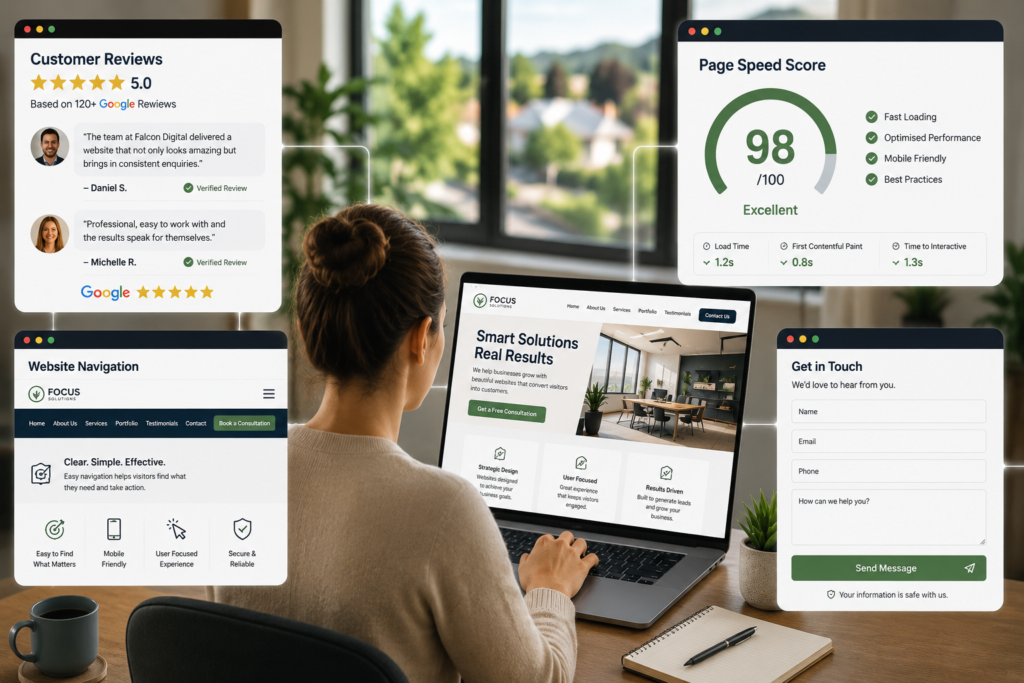
Visitors should never have to search for ways to contact your business. Simple improvements such as well-designed contact forms, intuitive navigation, and strategically placed enquiry buttons can make it easier for potential customers to get in touch, helping to increase conversions.
It’s also important to build trust throughout your website. Display customer testimonials, industry experience, certifications, and accurate business information where appropriate. These trust signals reassure potential customers that they’re dealing with a credible and reliable business.
When visitors can quickly find the information they need and complete an enquiry without frustration, they’re far more likely to become customers.
Strengthen Your Internal Linking Strategy
Internal linking is one of the most overlooked aspects of on-page SEO, yet it plays an important role in helping both users and search engines navigate your website.
An internal link connects one page of your website to another relevant page. This helps search engines discover and understand your content more effectively while guiding visitors to additional information that may be useful to them.
Linking related pages creates a better user experience while strengthening your website’s overall SEO structure.
A well-planned internal linking strategy can also:
- Help search engines crawl your website more efficiently.
- Distribute authority across important pages.
- Keep visitors engaged for longer.
- Encourage users to explore more relevant content and services.
- Support stronger topical relevance across your website.
When creating internal links, use descriptive anchor text that clearly reflects the destination page. Avoid generic phrases such as “click here,” as meaningful anchor text provides better context for both users and search engines.
As your website grows, regularly reviewing and updating your internal links helps keep your content connected, improves navigation, and supports your long-term SEO performance.
Optimise Images and Website Performance
Website performance is another important component of effective on-page SEO. Even the most informative content may struggle to rank well if your website loads slowly or delivers a poor user experience.
Large image files, unnecessary code, and unoptimised media can all increase loading times, leading to higher bounce rates and lower engagement.
To improve website performance:
- Compress images without sacrificing quality.
- Use descriptive file names.
- Add relevant alt text to improve accessibility and image SEO.
- Choose modern image formats where appropriate.
- Remove unnecessary scripts and plugins.
- Regularly test your website speed.
Google also considers Core Web Vitals when evaluating page experience. Faster websites generally provide a better experience for visitors, particularly those browsing on mobile devices.
Improving website speed not only supports better search rankings but also encourages visitors to stay on your website longer, explore additional pages, and complete enquiries. Optimising your website’s performance is an important investment in both SEO and the overall customer experience.
Regular performance monitoring helps identify opportunities for further optimisation as your website evolves.
Common On-Page SEO Mistakes Businesses in Kilmore Should Avoid
Even businesses that invest in SEO can make simple mistakes that reduce their visibility in search results. Avoiding these common issues can improve your website’s performance while creating a better experience for both users and search engines.
Some of the most common on-page SEO mistakes include:
Keyword stuffing
Adding the same keyword repeatedly throughout a page makes content difficult to read and can negatively affect search performance. Instead, use keywords naturally where they add value and fit the context.
Duplicate content
Publishing identical or very similar content across multiple pages can confuse search engines and reduce your website’s authority. Each page should provide unique, relevant, and valuable information.
Missing heading structure
Pages without clear H1 and H2 headings are more difficult for both users and search engines to understand. A logical heading structure improves readability and helps search engines interpret your content more effectively.
Weak page titles and meta descriptions
Generic page titles and meta descriptions fail to communicate the purpose of a page and are less likely to encourage users to click through from search results.
Poor image optimisation
Uploading large image files without compression or descriptive alt text can slow your website, reduce accessibility, and negatively affect the overall user experience.
Broken internal links
Links that direct users to missing or outdated pages create frustration for visitors and make it more difficult for search engines to crawl and index your website effectively.
Regularly reviewing your website for these common issues helps ensure your pages remain relevant, user-friendly, and aligned with current SEO best practices. Small, ongoing improvements can have a significant impact on your search visibility and help generate more qualified enquiries over time.
Measuring the Success of Your On-Page SEO Efforts
On-page SEO is an ongoing process rather than a one-time task. Monitoring your results allows you to understand what’s working and where further improvements can be made.
Some of the most useful performance indicators include:
- Organic website traffic
- Keyword rankings
- Click-through rate (CTR)
- Time spent on page
- Bounce rate
- Enquiry submissions
- Phone calls and contact form completions
Tools such as Google Search Console and Google Analytics provide valuable insights into how users discover and interact with your website.
It’s important to remember that meaningful SEO improvements usually take time. Rather than focusing solely on rankings, monitor whether your website is attracting more qualified visitors and generating an increasing number of enquiries.
Regularly reviewing your content, updating existing pages, and refining your optimisation strategy helps maintain search visibility while supporting long-term business growth. Consistent optimisation allows your website to adapt to changing search trends, customer behaviour, and Google’s evolving algorithms, helping your business achieve sustainable results over time.
Frequently Asked Questions
What is on-page SEO?
On-page SEO involves optimising the content and elements on individual web pages, such as headings, page titles, images, internal links, and content structure, to improve search engine rankings and user experience.
How long does on-page SEO take to produce results?
SEO is a long-term strategy. While some improvements may be noticeable within a few weeks, meaningful ranking and traffic increases often take several months, depending on your industry, competition, and website history.
Does on-page SEO help local businesses?
Yes. Effective on-page SEO helps local businesses improve their visibility for location-based searches, making it easier for potential customers to find relevant products or services in their area.
Can I improve my website’s SEO without redesigning it?
In many cases, yes. Updating content, improving page structure, optimising images, and strengthening internal links can significantly improve SEO without requiring a complete website redesign.
Why are internal links important for SEO?
Internal links help search engines understand your website structure while guiding visitors towards related information. They improve navigation, distribute authority across pages, and support a better overall user experience.
Building Long-Term Online Success
Effective on-page SEO is about much more than adding keywords to a webpage. It involves creating valuable content, improving website usability, optimising page structure, and making it easy for both search engines and potential customers to understand what your business offers.
For businesses looking to improve on-page SEO in Kilmore, consistent optimisation can lead to stronger search visibility, increased organic traffic, and more qualified enquiries over time. While results don’t happen overnight, ongoing improvements create a stronger online presence that supports sustainable business growth and helps your business stay competitive in an increasingly digital marketplace.
Strengthen Your Online Presence
Whether you’re looking to improve an existing website or develop a comprehensive SEO strategy, the right approach can help improve your search visibility, attract more qualified enquiries, and support long-term business growth.
If you’re ready to take the next step, book an appointment with us to discuss your goals and discover how a tailored SEO strategy can help your business achieve better online results.