
Australian medical and allied health providers deliver exceptional care every day, helping patients improve their health, mobility and overall quality of life. However, providing excellent care is no longer the only factor influencing practice growth.
Today’s patients expect more than clinical expertise. They research healthcare providers online, compare services, read reviews and evaluate websites before deciding who to contact. This changing behaviour has created a digital gap between the quality of care many providers deliver and how they’re perceived online.
Practices that adapt to these changing behaviours are often better positioned to attract new patients, build stronger relationships and achieve sustainable growth. Those that continue to rely solely on referrals or word of mouth may find it increasingly difficult to remain competitive in today’s digital healthcare landscape.
In this article, we’ll explore how the digital landscape is changing for allied health practices, what today’s patients expect before booking an appointment, and why digital marketing for allied health is becoming increasingly important for long-term practice growth.
Great Care Alone No Longer Drives Practice Growth
Delivering outstanding patient care remains the foundation of every successful allied health practice. Positive clinical outcomes, professional expertise and personalised care will always be important. However, they’re no longer the only factors influencing whether a patient chooses your practice.
Many practice owners still rely heavily on referrals from healthcare professionals or recommendations from existing patients. While these remain valuable sources of new patients, they are now only one part of a much broader decision-making process.
Today’s patients often receive a recommendation, then immediately begin researching the practice online. Before making contact, they’ll usually visit your website, read reviews, compare providers and look for signs that your practice is professional, trustworthy and easy to engage with.
This means excellent care must now be supported by greater online visibility and accessible digital experiences. Practices that combine clinical excellence with a professional digital experience are better positioned to attract new patients and continue growing.
Patients Begin Their Search Online
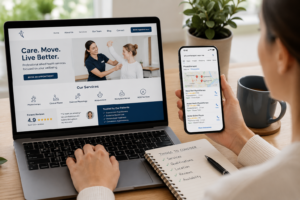
The patient journey often starts long before the first appointment.
Whether someone is searching for a physiotherapist, psychologist, speech pathologist, occupational therapist or podiatrist, the first step is frequently a Google search. Patients want to understand who you are, what services you provide and whether your practice is the right fit for their needs.
Rather than contacting the first practice they find, many people compare several providers before making a decision. They read online reviews, explore websites, compare locations, review practitioner profiles and look for information that helps them feel confident about booking an appointment.
Patients are also taking more time to research healthcare providers before making a decision. They want reassurance that your practice is experienced, approachable and capable of delivering quality care. Providing clear information online helps reduce uncertainty and encourages prospective patients to take the next step.
Many patients will also visit more than one website before making a decision. They compare services, treatment approaches, practitioner experience, clinic locations and appointment availability to determine which provider best meets their needs. Practices that present this information clearly and consistently are more likely to keep potential patients engaged throughout their research process.
Having a strong organic search presence also plays an important role in helping patients discover your practice. Appearing prominently in search results makes it easier for prospective patients to find your services at the moment they’re actively looking for care, rather than after they’ve already chosen a competitor.
For allied health practices, being visible online isn’t simply about attracting more website visitors. It’s about helping the right patients find your practice at the right time, building trust before the first appointment and creating more opportunities for meaningful patient enquiries.
First Impressions Happen Before the First Appointment
Long before a patient walks through your door, they’ve already formed an impression of your practice.
Your digital presence plays a significant role in building confidence. Patients often assess the professionalism of a practice based on what they see on your medical website, including the quality of your practitioner profiles, contact information, service pages and the overall experience of finding the information they need.
A professional digital experience helps establish credibility from the very beginning. Building confidence starts with making your practice appear approachable, trustworthy and easy to contact. Professional photography, accurate service information, practitioner credentials and a well-organised website all contribute to a positive first impression.
Consistency is equally important. Patients expect the information they find online to be current and reliable. Outdated service pages, incorrect clinic hours, broken links or missing practitioner details can quickly create uncertainty and discourage potential patients from making an enquiry.
Patients also look for signs that your practice is active and committed to delivering quality care. Recent blog articles, updated practitioner profiles, testimonials and case studies all help reinforce your expertise while demonstrating that your practice continues to invest in providing valuable information and support.
Building a positive first impression isn’t about one element alone. It’s the combination of a professional website, clear communication, accurate information and a trustworthy online presence that encourages prospective patients to take the next step.
The goal isn’t simply to have an attractive website. It’s to create a digital experience that reflects the same level of professionalism, expertise and patient care people can expect when they visit your practice.
Convenience Has Become Part of Patient Care
As more patients rely on digital channels to research healthcare providers, convenience has become an increasingly important part of the overall healthcare experience.
Many people expect to find information quickly, access services on mobile devices and contact a practice without unnecessary effort. If booking an appointment or submitting an enquiry feels difficult, patients may choose another provider that offers a more convenient experience.
A positive patient experience now begins well before someone enters your clinic. It starts with how easily patients can access information, understand your services and contact your practice online.
Patients also expect the booking process to be straightforward. Whether they’re calling the clinic, submitting an online enquiry or requesting an appointment through your website, every interaction should be simple, intuitive and accessible. Even small obstacles, such as difficult navigation, slow-loading pages or lengthy enquiry forms, can discourage prospective patients from taking the next step.
Simple improvements such as clear navigation, mobile-friendly pages, accessible contact details and effective contact form optimisation can remove unnecessary barriers and make it easier for prospective patients to get in touch. Making essential information easy to find also helps reduce frustration and improves the overall experience for people seeking care.
These improvements don’t just remove barriers for prospective patients. They also help allied health practices generate more enquiries while demonstrating that they understand the needs of today’s healthcare consumers. By making it easier for patients to connect with your practice, you’re creating more opportunities to build lasting patient relationships and support sustainable practice growth.
Digital Visibility Shapes Long-Term Growth
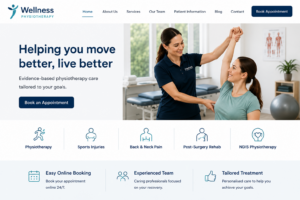
For many allied health practices, attracting new patients isn’t about running constant advertising campaigns. It’s about being visible when people are actively searching for the services you provide.
Patients often search using location-based terms such as “physiotherapist near me” or “occupational therapist in Melbourne.” If your practice has limited online visibility, potential patients may never discover your services, even if you provide exceptional care.
Building long-term digital visibility involves more than simply having a custom website. It requires an ongoing strategy that includes search engine optimisation (SEO), helpful content, accurate business information and an active Google Business Profile. Together, these elements help improve your visibility and make it easier for patients to find your practice.
Publishing informative content on a regular basis also helps answer common patient questions, demonstrate your expertise and establish your practice as a trusted source of information. Over time, this supports stronger search performance while building confidence with prospective patients.
As more healthcare decisions begin online, practices that invest in long-term digital visibility are better positioned to attract new patients and remain competitive. Rather than relying on referrals alone, allied health practices that strengthen their online presence create more opportunities to connect with patients who are actively looking for their services.
Small Digital Improvements Can Deliver Meaningful Results
Many practice owners assume they need a complete website redesign or a significant marketing budget to improve results. In reality, small and consistent improvements often have the greatest long-term impact.
For example, updating practitioner profiles, refreshing service information, improving page speed, simplifying navigation and strengthening calls-to-action can all contribute to a better patient experience. These improvements make it easier for prospective patients to find the information they need, build confidence in your practice and take the next step.
Practices should also focus on strategies that help generate leads, including making enquiry forms easier to complete, ensuring contact details are easy to find and encouraging patients to book an appointment or request more information. Even small adjustments to your website can improve conversions without requiring a complete redesign.
Regularly reviewing your website content is equally important. Keeping practitioner profiles, treatment information, opening hours and contact details up to date helps ensure patients always have access to accurate information while reinforcing your professionalism.
These improvements work together to reduce barriers, increase enquiries and create a smoother journey for prospective patients. As healthcare continues to become more digital, regularly reviewing your online presence helps ensure your practice remains competitive and accessible.
For allied health practices, digital growth isn’t about making dramatic changes overnight. It’s about making ongoing improvements that continue delivering value to both your patients and your practice, supporting stronger patient relationships and sustainable long-term growth.
Closing the Digital Gap Starts With Understanding Your Patients
Healthcare continues to become increasingly digital, and the way patients research and choose providers will continue to evolve.
Today’s patients expect healthcare providers to be easy to find, informative, trustworthy and convenient to engage with online. Practices that respond to these changing behaviours are more likely to build stronger patient relationships, encourage more enquiries and maintain sustainable growth over time.
Closing the digital gap doesn’t mean changing the quality of care you provide. Instead, it means ensuring your online presence reflects the professionalism, expertise and patient care your practice delivers every day. From your website and online reviews to your content and patient communication, every digital touchpoint contributes to the overall experience prospective patients have with your practice.
As competition continues to grow across the healthcare sector, practices that invest in their digital presence will be better positioned to stand out, build credibility and remain visible when patients are actively searching for care. Small, ongoing improvements can make a significant difference to how patients discover, evaluate and engage with your services.
By combining outstanding clinical care with strong digital visibility, allied health practices can create a better patient experience, attract more enquiries and remain competitive in an increasingly digital healthcare environment. Over time, these efforts help build stronger patient relationships while supporting sustainable practice growth.
Frequently Asked Questions
What is the digital gap for allied health practices?
The digital gap refers to the difference between the high-quality care an allied health practice provides and how effectively that quality is represented online. A weak digital presence can make it difficult for potential patients to discover, trust and contact your practice.
Why does an online presence matter for allied health practices?
Most patients now research healthcare providers online before booking an appointment. A professional website, positive reviews and accurate practice information help build confidence and encourage patients to make an enquiry.
How can allied health practices attract more patients?
Improving your website, strengthening your local SEO, publishing helpful content, encouraging patient reviews and making it easier for people to contact your practice can all contribute to attracting more patients.
What should an allied health website include?
An effective allied health website should include clear service information, practitioner profiles, contact details, location information, patient resources, strong calls-to-action and a mobile-friendly design that makes it easy for patients to book or enquire.
Help Close the Digital Gap for Your Allied Health Practice
Providing excellent patient care is only part of building a successful practice. Your online presence should give prospective patients the same confidence they would experience when visiting your clinic.
As more patients research healthcare providers online, strong online visibility and an effective digital strategy can help your practice attract more enquiries, build credibility and support long-term growth. Even small improvements to your online presence can make a meaningful difference to how prospective patients discover and engage with your services.
Whether you’re looking to enhance your website, strengthen your digital visibility or create a better digital experience for your patients, investing in the right digital strategy can help your practice stay competitive in an increasingly digital healthcare landscape.
Contact us to learn how we can help your allied health practice close the digital gap and support sustainable practice growth.